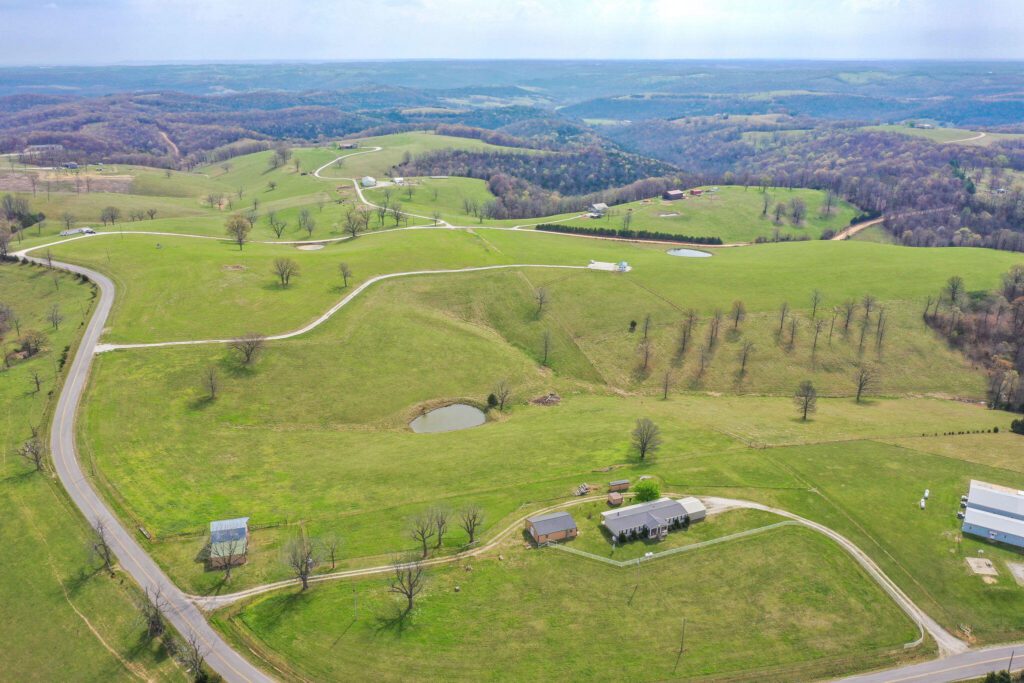
Do you ever look out your back window and wish you couldn’t see straight into the neighbor’s kitchen?
Maybe you’re dreaming about a big garden, a workshop, a couple of horses, or simply enough room for the dogs to run. I get it. That’s exactly why I love helping people find properties with a little breathing room.
And here’s the good news: you don’t necessarily have to move hours away from Omaha to find it. There are acreage possibilities in several directions outside the metro. The trick is knowing where to look and, just as important, knowing what you’re actually buying.
Where Should You Look for Acreage Near Omaha?
These are areas to explore, not promises of a 45-minute commute. Travel time depends on your starting point in Omaha, the actual rural address, traffic and the weather. Always map the specific property to work, school and the places you visit most.
1. Blair and Fort Calhoun: Hills, Trees and Room to Spread Out
If I were starting a search north of Omaha, Washington County would be high on my list. The countryside around Blair and Fort Calhoun offers rolling terrain, wooded settings and a mix of established homesteads and larger parcels. It’s the kind of area where you may find a house with a barn, a pasture or a shop instead of a standard suburban lot.
And these aren’t just imaginary options. A Fort Calhoun property advertised in November 2026 included roughly 16.5 acres, a tractor barn, electric fencing, pasture and a stream. That’s an example of the kind of property that can appear here, not a guarantee it will remain available or meet every buyer’s needs.
2. Springfield: Country Living South of the Metro
Springfield and rural Sarpy County can be worth a look if you want more space while staying connected to Papillion, Bellevue and south Omaha. There are acreage properties and rural roads here, but location matters. Some parcels sit close to new development, and some areas have rules that limit animals or future buildings.
Don’t assume that a piece of land advertised as an “acreage” automatically works for horses. Read the actual zoning and recorded restrictions.
3. Ashland and Nearby Saunders County: Another Direction to Explore
West and southwest of the metro, the Ashland area and surrounding rural communities can offer a different mix of land, homes and outbuildings. If you’re willing to adjust the drive a little, you may uncover properties that don’t show up when you search only “Omaha.”
Some buyers want open fields; others want trees, a pond or a place to build. Those are very different searches. A beautiful wooded parcel might not provide much usable grazing space, while flat pasture may not deliver the privacy you pictured.
4. Rural Cass County: Look Beyond the City Name
Areas around Louisville and other rural Cass County locations deserve consideration, depending on your commute. This is also where it’s important to pay attention to floodplain maps, road access, wells and septic systems, and whether your plans for animals or additional buildings are permitted.
How Much Does an Acreage Cost Around Omaha?
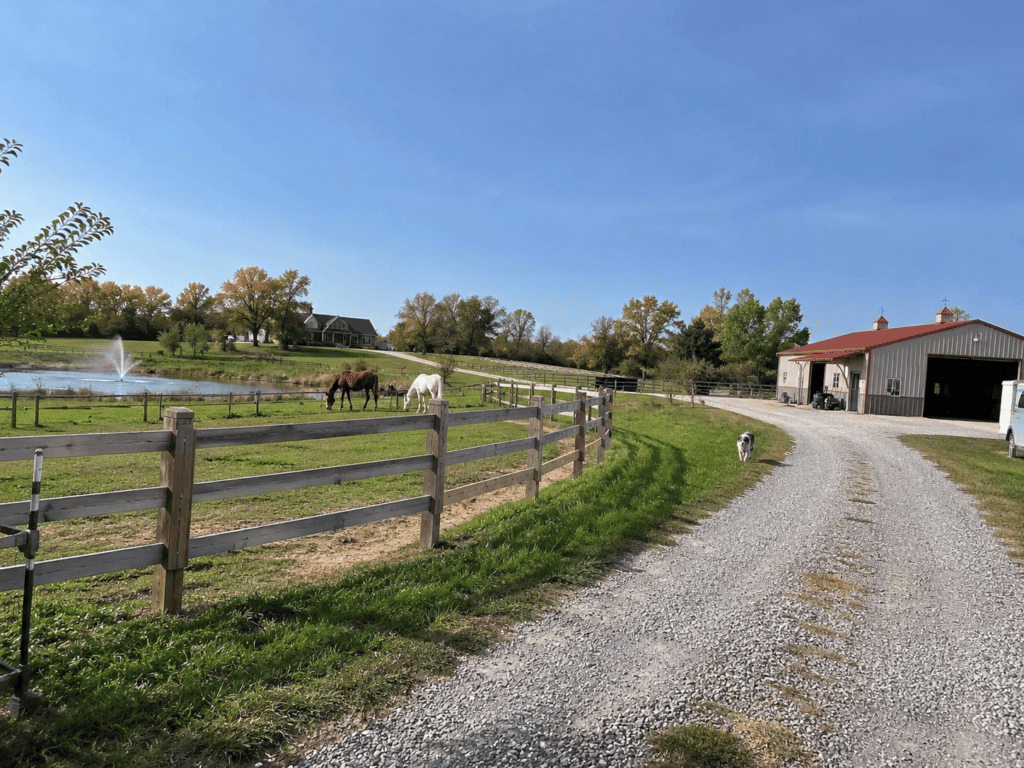
There isn’t one honest “average acreage price” that tells the whole story. A two-acre parcel with a modest house is nothing like 20 acres with a finished home, fencing, a barn and a riding arena. Land quality, improvements, zoning, location and access can change the value dramatically.
For context, the University of Nebraska–Lincoln’s 2026 farm real estate survey reported a statewide average agricultural land value of about $3,905 per acre as of February 1, 2026. But please don’t use that number to price a residential acreage around Omaha. The statewide farm-land average isn’t a valuation for buildable suburban land or an improved horse property.
In other words, let’s compare actual acreage sales with similar land and improvements rather than multiplying a farm-land average by the number of acres.
Five Things I’d Check Before Falling in Love With an Acreage
- Zoning and covenants: Can you legally keep horses, goats or other animals? How many? Are barns or additional dwellings allowed? County rules can differ, and subdivision covenants can add restrictions.
- Usable acres: Five acres on paper might include steep slopes, a creek, wooded ground, easements or areas unsuitable for pasture.
- Water, septic and utilities: Is there a well or rural water? What’s the septic history and permitted capacity? What would it cost to run utilities to a new barn?
- Outbuilding condition: A barn can be a terrific bonus or an expensive repair. Check roofs, foundations, power, drainage, fencing and access for trailers.
- Real-life commute and upkeep: Drive the route during normal work hours. Consider snow removal, mowing, gravel roads, insurance and maintenance before deciding the lifestyle is affordable.
One especially important point for horse buyers: Sarpy County’s published zoning regulations address animal units in agricultural districts, while Saunders and Cass counties maintain their own rules. That is a reminder to verify the specific parcel with the appropriate county planning office rather than trusting a listing description.
Should You Buy a Finished Horse Property or Build Your Own Setup?
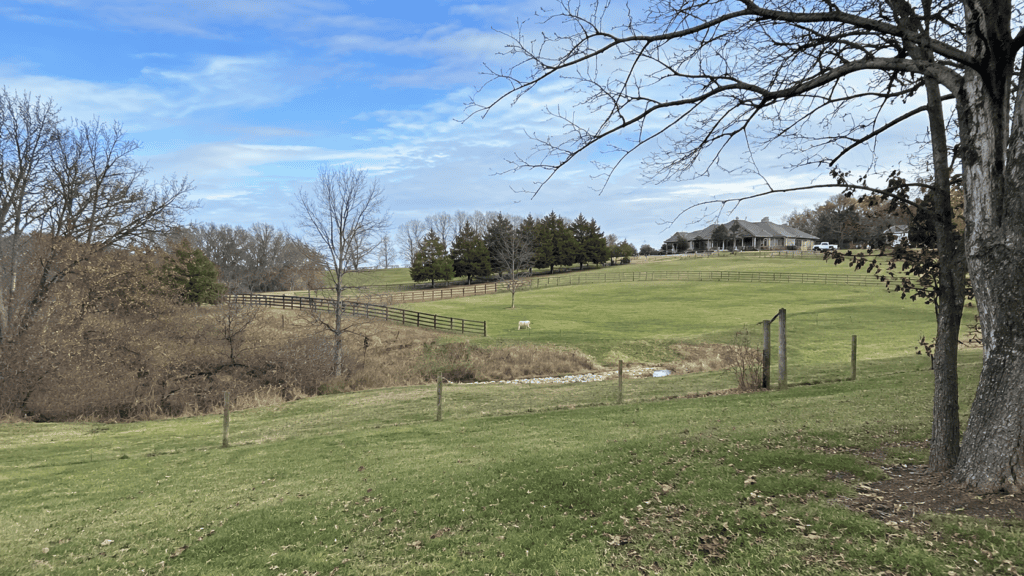
It depends on your budget and how specific your needs are. An established property with safe fencing, water, shelter and a functional barn may save you months of work and significant upfront expense. But if the existing layout is wrong, paying for someone else’s setup doesn’t always make sense.
With bare land or a house that needs improvements, price out the entire project: driveway, grading, fencing, shelters, utilities, water lines and permits. Talk with your lender early, too. Financing bare land, a home with excess acreage or a property with unusual agricultural features can be different from buying a typical single-family home.
My Advice: Shop for the Lifestyle, Not Just the Acre Count
It’s easy to search for “five acres near Omaha” and think you’ve narrowed it down. But the questions that matter most are different: What will you actually do with the property? Do you want horses outside your window? A workshop? Privacy from neighbors? A place for kids and dogs to run?
Tell me what you want your everyday life to look like, and we’ll build the search around that. Sometimes a well-designed three-acre property fits better than ten acres you can’t use.
At Backyards to Barns, that’s exactly the kind of search I love.
Thinking about acreage near Omaha? Visit BackyardsToBarns.com to start the conversation. We can compare communities, review property details and work through the practical questions before you make an offer.
Backyards to Barns | Nebraska Real Estate & Mortgage Services | NMLS #2265501 | Equal Housing Opportunity. Mortgage programs and approvals depend on borrower and property eligibility.
Sources and Further Reading
- University of Nebraska–Lincoln, 2026 Nebraska Farm Real Estate Report
- Sarpy County zoning and regulations
- Saunders County zoning regulations
- Cass County government, zoning resources
- Example November 2026 Fort Calhoun acreage listing
Information current as of November 23, 2026. Example listings may change status or price. Verify zoning, restrictions, school assignments, financing and property facts independently before purchasing.